
-
What is okki-go, and where does okkigo fit in a B2B sales stack?
-
What does an okki go outreach preparation workflow actually look like?
-
How is okki go for SDR teams different from a traditional B2B contact data platform?
-
How does LinkedIn Sales Navigator automation fit into an agent-native prospecting workflow?
-
Can you run LinkedIn outreach without damaging your brand?
-
How do you compare price vs value for AI SDR and lead gen tools?
-
What should an admin buyer check before rolling out outreach automation?
-
What's one thing most buyers miss about agent-native prospecting?
I buy software for a 180-person B2B services company. I'm not an SDR manager, but I sit in the middle of sales, ops, finance, and legal when we evaluate tools. Since 2021, I've run about 40 vendor evaluations for sales engagement, contact data, and enrichment platforms. This FAQ is what I'd tell a peer who's trying to understand okkigo (often typed as okki-go or okki go), LinkedIn outreach, and agent-native prospecting without getting lost in vendor language.
Short version: the tool matters, but the workflow around it usually decides whether you get value or just another subscription. Here are the questions I hear most.
What is okki-go, and where does okkigo fit in a B2B sales stack?
Okki-go is usually how people search for okkigo, an AI sales prospecting and lead gen platform. In our stack, it sits between our CRM and our outreach tools. It helps with contact data, enrichment, intent signals, and agent-native workflows. It isn't a CRM replacement, and it isn't a magic reply-rate button. If you already use Salesforce or HubSpot, okkigo is the layer that helps your SDRs decide who to contact, why now, and with what data. That's the practical definition I use when finance asks why we need another line item.
What does an okki go outreach preparation workflow actually look like?
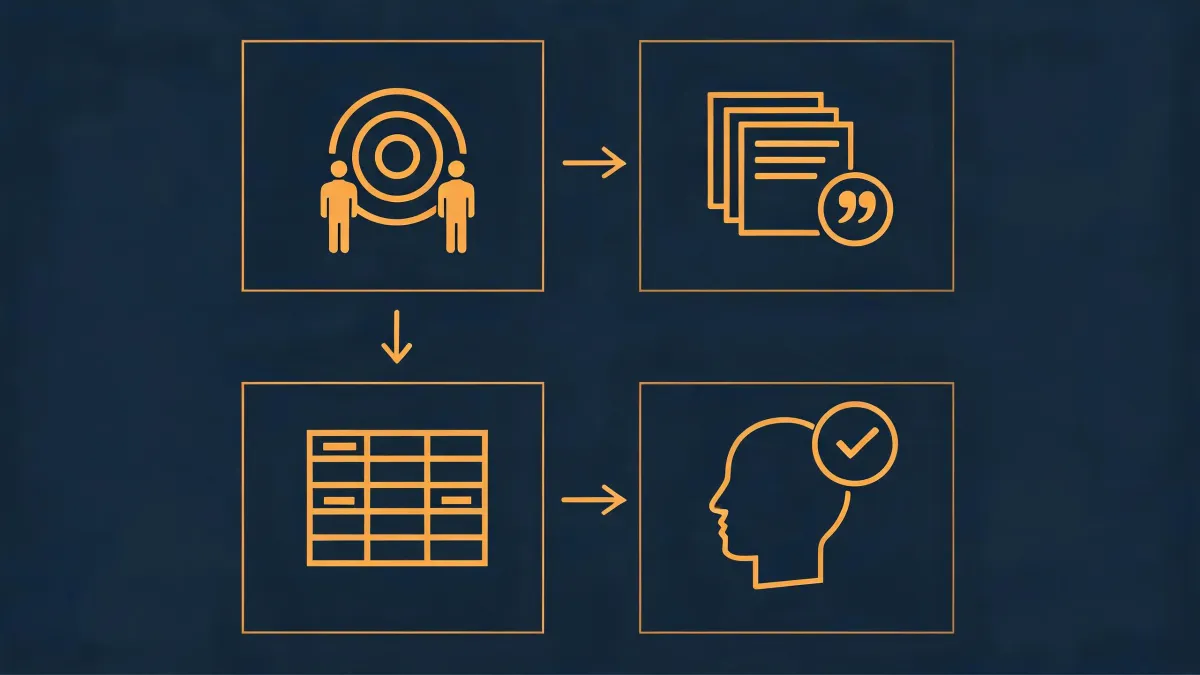
For us, an okki go outreach preparation workflow looks like this: define the ICP, pull a list, enrich missing fields, verify emails, check intent signals, then route the best accounts to a human. The agent can draft sequences and suggest angles. A human still approves the message and handles replies. That last part is a deal-breaker for us. We don't let automation send anything until someone has reviewed the first touch. The workflow isn't glamorous. It's mostly data hygiene and routing. But that's where the time savings show up.
How is okki go for SDR teams different from a traditional B2B contact data platform?
A traditional B2B contact data platform gives you a list. Okki go for SDR teams tries to give you a prioritized workflow. The difference is context: intent data, waterfall enrichment, and agent-native steps. But here's the caveat. If your SDRs don't trust the data, they'll ignore the workflow. We test every new data source against 200 known-good contacts before rollout. My experience is based on mid-market B2B services. If you're selling to enterprise or highly regulated industries, your verification and compliance needs will be different.
How does LinkedIn Sales Navigator automation fit into an agent-native prospecting workflow?
LinkedIn Sales Navigator automation shouldn't be the whole engine. In an agent-native prospecting workflow, Sales Navigator is best used for account research, warm signals, and finding the right persona. Then your agent-native tool can enrich, verify, and route those contacts into email or LinkedIn outreach. The mistake I see is treating LinkedIn automation like a volume game. It isn't. It's a relationship channel. Per FTC guidelines (ftc.gov), your outreach claims still need to be truthful and substantiated, and LinkedIn has its own limits. So we keep automation light and human review heavy.
Can you run LinkedIn outreach without damaging your brand?
Yes, but it's not a no-brainer. LinkedIn outreach works when it's specific, short, and relevant. If you automate connection requests and generic pitches, you'll get ignored or restricted. In our okkigo pilot, we used LinkedIn for about 20% of touches and email for the rest. The LinkedIn touches were researched and personalized. The best part: fewer 'who are you?' replies. The red flag is when a vendor promises guaranteed reply rates or unlimited automation. That's not how LinkedIn works.
How do you compare price vs value for AI SDR and lead gen tools?
This is where I push back on per-seat pricing. The cheapest tool can be the most expensive if you spend admin time cleaning bounced emails, fixing CRM duplicates, or repairing domain reputation. When we evaluated okkigo against other platforms, we looked at total cost: subscription, implementation, verification credits, enrichment overages, and internal labor. My rule: if a tool saves each SDR two hours a week but creates three hours of cleanup for ops, it isn't saving money. Value over price isn't a slogan. It's the only way I can defend the purchase to finance.
What should an admin buyer check before rolling out outreach automation?
Check four things: data compliance, opt-out handling, CRM sync, and invoice clarity. Ask how the tool handles CAN-SPAM and GDPR requirements. The FTC's CAN-SPAM compliance guide (ftc.gov) is a good starting point. Ask what happens when a contact opts out. Does it sync everywhere? Ask whether the vendor can provide proper invoicing and usage reporting. I once bought a $200 cheaper data tool that couldn't give us clean usage reports. Finance rejected the expense, and I ate the cost out of my budget. Now I verify invoicing before I sign anything.
What's one thing most buyers miss about agent-native prospecting?
Most buyers focus on how many contacts they can get and completely miss data decay. B2B contact data goes stale fast. People change jobs, companies rebrand, emails bounce. Agent-native prospecting is less about blasting more and more about keeping the pipeline clean. We now re-verify our core lists every 60 days. Honestly, I'm not sure why some teams still treat data hygiene as a one-time project. My best guess is that it's invisible until it hurts deliverability. If you fix that first, the rest of the workflow gets easier.