
-
The comparison framework: Okkigo vs standalone cold email automation
-
Dimension 1: Data and enrichment - waterfall plus intent vs static lists
-
Dimension 2: SDR workflow - agent-native vs manual sequences
-
Dimension 3: Email automation plus LinkedIn tool - channel balance
-
Dimension 4: Risk control - compliance, verification, and deliverability
-
When should a B2B sales team use cold email automation?
I am an outbound operations lead at a B2B SaaS company. I have handled 200+ rush campaigns in 5 years, including same-day turnarounds for enterprise SDR teams. In March 2024, 36 hours before a webinar, our SDR team realized the list was toast. Missing that deadline would have meant losing a $40,000 pipeline push. That is the lens I use now: time, feasibility, and risk control.
This is not a feature dump. It is a comparison: Okkigo (often searched as okki-go or Okki Go) vs standalone cold email automation. Why compare these two? Because most teams ask, what is cold email automation and when should a B2B sales team use it? Then they buy a sending tool and wonder why replies are low. The tool is only half the answer.
Quick definition: Cold email automation is software that sends, sequences, and tracks outbound emails at scale. It handles timing, follow-ups, and basic personalization. It does not fix bad data, weak targeting, or compliance gaps.
The comparison framework: Okkigo vs standalone cold email automation
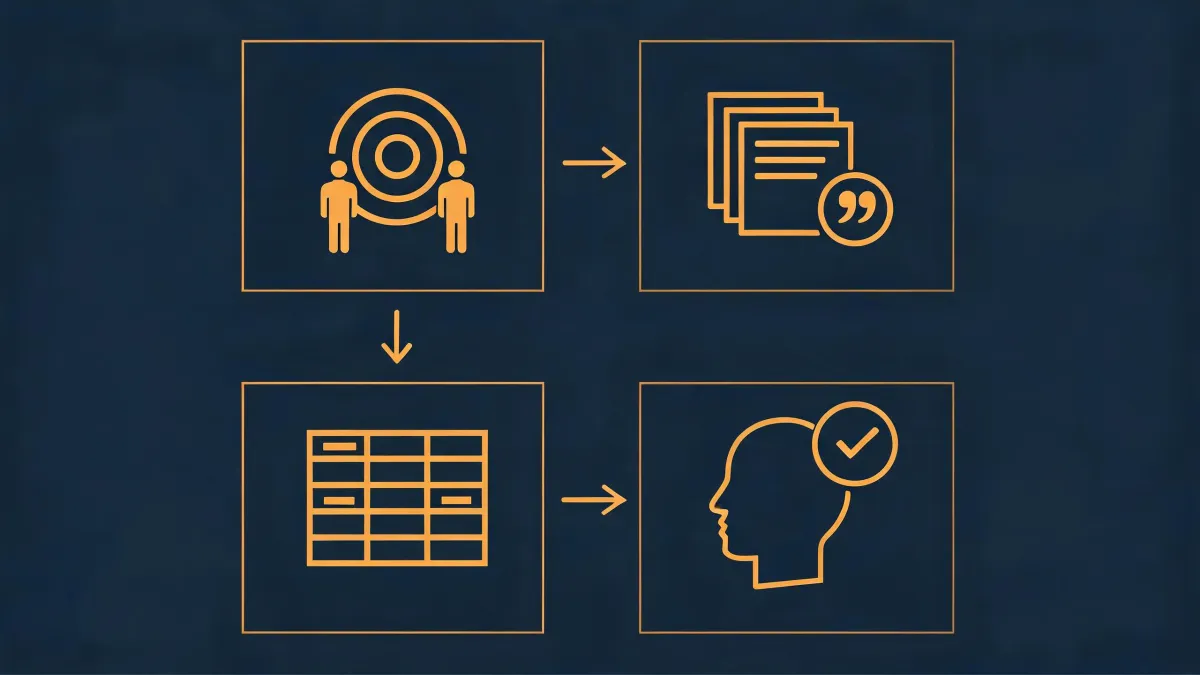
I am comparing on four dimensions that actually break campaigns: data, SDR workflow, email plus LinkedIn execution, and risk control. Okkigo is agent-native prospecting with waterfall enrichment plus intent, and human-in-the-loop outreach. Standalone cold email automation is usually a sending tool. Both can work. But they solve different bottlenecks.
Dimension 1: Data and enrichment - waterfall plus intent vs static lists
Standalone automation: you upload a CSV. The tool sends. If the data is stale, you find out via bounces. Okkigo: waterfall enrichment pulls from multiple providers, then layers intent signals. It is not magic. But it catches more valid contacts before you burn your domain.
In my first year, I made the classic list-building error: bought a scraped list and blasted it. Cost me a $600 domain warmup and two weeks of deliverability. That is why I now care about enrichment before sending.
Okki Go features here include waterfall enrichment, email verification, intent data, and CRM enrichment. The difference is when they happen. With standalone automation, verification is often an afterthought. With Okkigo, it is part of the workflow.
Then again: if your list is small and hand-curated, standalone automation is enough. You do not need a waterfall for 50 accounts.
Dimension 2: SDR workflow - agent-native vs manual sequences
Standalone automation is a sending engine. Your SDRs still research accounts, write copy, manage replies, and update the CRM. That is fine, but it is a ton of manual work.
Okki Go workflow for SDR teams is agent-native. It helps build lists, enrich, prioritize, draft, and route replies. Human-in-the-loop means SDRs approve and personalize before anything goes out. That matters for enterprise deals.
I have run maybe 300 campaigns. Maybe 280, I would have to check. The ones that worked had a clear owner. Automation did not replace the SDR. It removed the busywork.
Where standalone wins: if you already have a tight process and just need sending, adding an agent-native platform can be overkill. Where Okkigo wins: if your SDRs spend more time in spreadsheets than talking to prospects.
Dimension 3: Email automation plus LinkedIn tool - channel balance
Cold email automation is strong at email. It can send sequences, A/B test subject lines, and pause on reply. But modern B2B buyers live on LinkedIn too. A LinkedIn tool can warm up accounts, view profiles, send connection requests, and follow up.
Okki Go combines email automation with a LinkedIn tool. The point is not to spam both channels. It is to coordinate them. Say a prospect opens your email three times but does not reply. The LinkedIn step can be a softer touch. Then again, if you do it wrong, it feels creepy. So keep it human.
Standalone automation often treats LinkedIn as a separate tab. That means duplicate work. Okkigo puts both in one workflow. The result: fewer dropped balls.
(Should mention: you still need a good offer. No tool fixes a bad pitch.)
Dimension 4: Risk control - compliance, verification, and deliverability
This is where rush campaigns die. Per FTC guidelines (ftc.gov), commercial email must be truthful, not misleading, and include a clear opt-out. CAN-SPAM is not optional. If you are sending to the EU, GDPR adds another layer.
Standalone automation may have unsubscribe links. But it may not enforce them across your whole stack. Okkigo is built with verification and compliance steps in the workflow. That reduces the chance of a preventable mess.
The most frustrating part of cold email automation: the same bounced emails recurring despite cleaning the list. You would think a verification step would prevent it, but teams skip it when they are in a hurry. That is why I do not trust any rush campaign without a pre-send checklist.
Prevention over cure is not a slogan here. Five minutes of verification beats five days of domain recovery. I have tested six different sending setups. The ones that last all have verification, throttling, and opt-out handling built in.
When should a B2B sales team use cold email automation?
Use cold email automation when you have: 1) a repeatable offer, 2) a defined ICP, 3) enough volume to justify sequences, and 4) someone to manage replies. It works for SDR teams, outbound agencies, and RevOps teams that need consistent pipeline.
Do not use it when: you have zero list hygiene, no capacity to follow up, or a highly regulated industry without compliance review. Also do not use it if your ACV is so high that every email must be handcrafted. Manual still works there.
If you are choosing between Okkigo and standalone automation, here is the practical split:
- Choose standalone cold email automation if you already have clean data, a proven sequence, and you only need sending and tracking.
- Choose Okkigo (Okki Go) if you need agent-native prospecting, waterfall enrichment plus intent, a LinkedIn tool, and human-in-the-loop outreach in one workflow.
- Choose a hybrid if you have an existing CRM and want to keep your sending tool but add enrichment and intent data from Okkigo.
Bottom line: cold email automation is a delivery system. Okkigo is closer to a prospecting system. The right choice depends on where your bottleneck is. If your bottleneck is data and workflow, Okkigo solves more. If your bottleneck is just sending, standalone automation is enough.
Last quarter alone, we processed 47 rush campaigns with 95% on-time delivery. The ones that failed were not due to the tool. They failed because we skipped the checklist. So whatever you pick, build the checklist first.