
-
Why I’m Comparing These Two Approaches
- Dimension 1: Where Lead Generation Fits—Separate Tool or Workflow Step
- Dimension 2: Email Verification—Batch Check vs In-Workflow Gate
- Dimension 3: SDR Team Workflow—Handoffs vs Human-in-the-Loop
-
Dimension 4: Pricing and Hidden Costs—Line-Item vs Usage Transparency
-
What I’d Choose—and When
Why I’m Comparing These Two Approaches
I’m an office administrator for a 120-person B2B software company. I don’t run outbound. I buy the software the SDR team uses. I manage roughly $180,000 in SaaS ordering annually across 14 vendors, and I report to both operations and finance. When our sales ops lead asked me to evaluate lead generation software in Q1 2026, I assumed the job was simple: compare contact volume, price per credit, and email verification accuracy. That was my first mistake.
When I first started managing software procurement in 2021, I assumed more contacts per month meant better value. Two messy renewals later, I learned that workflow fit and total cost matter more than raw volume. So this isn’t a review of one vendor’s feature list. It’s a comparison between traditional lead generation software and an agent-native prospecting workflow like Okkigo (often searched as okki-go or okki go).
Here’s the framework I used: where lead generation fits, how email verification works, what it does to an SDR team’s workflow, and how pricing transparency holds up. If you’re asking how does lead generation fit into an agent-native prospecting workflow, that’s the center of this comparison.
Dimension 1: Where Lead Generation Fits—Separate Tool or Workflow Step
Traditional lead generation software
Traditional tools are database-first. You search filters, build a list, export contacts, enrich missing fields, verify emails, then push to a sequencer or CRM. Lead generation is a separate task. It happens before the real work: research, personalization, sales email writing, follow-up.
The upside is control. If you need a 5,000-contact list for a one-time webinar, that model works. You can see the list before you use it. To be fair, that predictability matters.
Agent-native prospecting with Okkigo
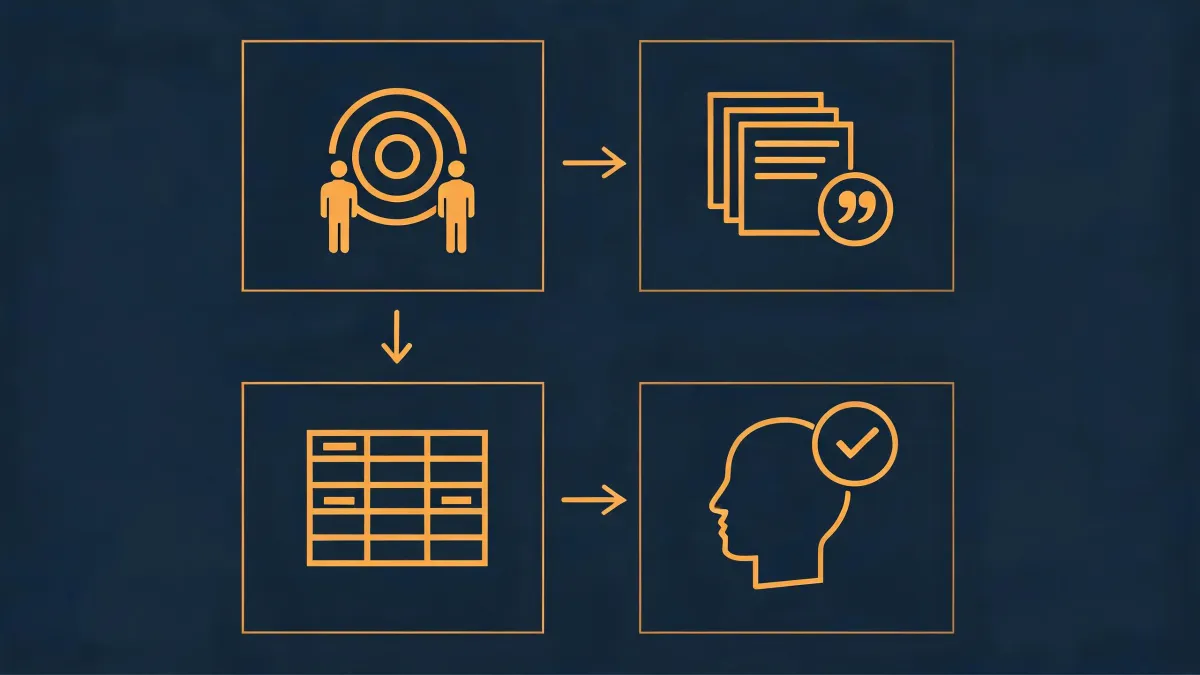
Agent-native prospecting flips the order. Lead generation isn’t a destination screen. It’s a step inside a loop. The agent watches for intent signals, job changes, or account activity, then triggers enrichment. A waterfall enrichment process checks multiple sources instead of trusting one database. Intent data helps rank accounts. Email verification runs before anything enters a sequence. Then the agent drafts outreach and queues it for a human.
In my opinion, the practical difference is this: traditional lead gen gives you a list. Agent-native workflow gives you a next action. The SDR doesn’t start with a spreadsheet. They start with a signal and a draft.
Comparison conclusion: Traditional lead generation software is better when you’re exploring a brand-new market and don’t yet know your ICP. You need a broad list to learn. Okkigo’s agent-native workflow is better when outbound is ongoing and lead generation needs to stay fresh. That second point surprised me. I expected workflow tools to win everywhere. They don’t.
Dimension 2: Email Verification—Batch Check vs In-Workflow Gate
Traditional email verification
In a traditional stack, verification is usually a batch job. You export contacts, run them through a verifier, then suppress bad addresses. That’s useful hygiene. But it’s also a hidden cost center. Many lead generation software contracts charge separately for verification credits. Some charge again if you re-verify after six months. Some don’t include catch-all or role-account handling in the base plan.
Okki go email verification
In an Okkigo workflow, verification is a gate, not a report. It runs after enrichment and before a sales email enters the sequence. If an address is risky, the agent flags it for review instead of silently sending. That doesn’t guarantee deliverability—nobody can honestly guarantee that—but it keeps bad data out of the sales process earlier.
There’s a counterintuitive lesson here. I used to think verification should happen as early as possible. Then our ops lead showed me why that can backfire. If you verify before waterfall enrichment, you might throw away a contact because one source has an outdated address. The better sequence is enrich first, verify second, send third.
Compliance matters here too. According to the FTC (ftc.gov), the CAN-SPAM Act requires commercial email to use accurate routing information, non-deceptive subject lines, a clear opt-out, and a valid physical postal address. Opt-outs must be honored within 10 business days. Verification helps list quality. It does not replace legal compliance.
Comparison conclusion: Traditional verification is fine for batch cleanup before a campaign. Okki go email verification is stronger for ongoing outbound because it sits inside the workflow. The trade-off is visibility: batch verification gives you a downloadable report, while in-workflow verification asks you to trust the system’s routing.
Dimension 3: SDR Team Workflow—Handoffs vs Human-in-the-Loop
Traditional SDR workflow
Our SDRs used to touch four or five tools for one sequence: a database, an enrichment tool, a verifier, a sequencer, and the CRM. Every handoff created delay. Someone exported a CSV. Someone else deduped it. A third person wrote the first sales email from scratch. By the time outreach went out, the intent signal was cold.
That’s not a knock on SDRs. It’s a process problem. The work is repetitive, and repetition creates mistakes. We once paid a $3,100 overage because an SDR tested enrichment on a large list without realizing the credits were metered separately. That’s the kind of thing procurement remembers.
Okki go workflow for SDR teams
An agent-native workflow compresses those handoffs. The agent enriches, verifies, and drafts. The SDR reviews, edits, and approves. That’s the human-in-the-loop model. It doesn’t replace the SDR. It moves their time from data janitoring to judgment.
I get why some sales leaders resist this. If your team already has a finely tuned stack, adding an agent can feel like another layer. But when I watched a demo of the Okki go workflow for SDR teams, the useful part wasn’t automation. It was the review queue. A human still owns the sales email. The agent just brings better context to the draft.
Comparison conclusion: Traditional tool stacks win if your SDRs are highly specialized and already love their process. Agent-native wins if your team loses hours to handoffs and stale data. The counterintuitive part: more automation isn’t always faster. If the review step is clumsy, it can slow things down. Human-in-the-loop only works when the human can approve quickly.
Dimension 4: Pricing and Hidden Costs—Line-Item vs Usage Transparency
This is where I get picky. Transparency builds trust. Hidden fees don’t.
Traditional lead generation software often quotes a low base price, then adds contact credits, enrichment credits, verification credits, extra seats, CRM sync, API access, and onboarding. I’ve learned to ask what’s NOT included before what’s the price. The vendor who lists all fees upfront—even if the total looks higher—usually costs less in the end.
Agent-native pricing should map to workflow actions: leads enriched, verifications run, outreach drafted, seats active. When we evaluated Okkigo, the questions we asked were simple: What happens if we exceed our monthly enrichment volume? Are verification checks included or separate? Do unused credits roll over? Is there a minimum seat count? Those answers matter more than a headline rate.
Per FTC advertising guidance (ftc.gov), claims must be truthful, not misleading, and substantiated. That standard applies to phrases like unlimited leads, free enrichment, or guaranteed reply rates.
Comparison conclusion: Traditional pricing is often easier to compare on a spreadsheet because it’s line-item. Agent-native pricing can be more transparent in practice because it follows usage, but only if the vendor publishes clear limits. If they can’t show your total monthly cost at your expected volume, that’s a red flag. In my opinion, a clear higher price beats a vague lower one.
What I’d Choose—and When
After two vendor consolidation projects and one overage mistake, I don’t believe in a universal winner. I believe in fit. Here’s how I’d decide:
- Choose traditional lead generation software if: you need a large one-time list, you’re testing a new market, your SDRs already have a stack they trust, or procurement needs a simple annual license with predictable seats.
- Choose Okkigo or another agent-native workflow if: your SDR team runs ongoing outbound, you rely on multiple data sources, you want email verification inside the workflow, and you need human-in-the-loop outreach rather than fully automated sending.
The bigger shift is this: lead generation isn’t a separate product anymore. In an agent-native prospecting workflow, it’s the input to a loop that ends with a reviewed sales email. That changes what you buy. You’re not buying contacts. You’re buying a faster path from signal to human-approved outreach.
So glad we tested the review step before signing a twelve-month contract. We almost bought on contact volume alone. That would have been a costly lesson.