
It was 9:47 on a Tuesday morning when the Slack message came in. A client needed 200 qualified leads for a product launch event. The event was in four days. Normal turnaround for that volume was two weeks. We had four days. And by 10 a.m. I had canceled my meetings and sent a message to the team: "We're not doing this manually."
I'm a sales operations lead at a B2B agency. I've handled more than two dozen urgent lead-gen requests in the last two years, but this one felt different. When I first started managing sales development pipelines, I assumed manual browsing of LinkedIn Sales Navigator was safer. More controlled. No automation tool would mess it up. That assumption died quickly.
Manual Wasn't Going to Cut It
Day one, we tried the old way. An intern exported names and companies from Sales Navigator using basic filters. Everyone looked at it and said, "Great, where are the emails?" Silence. Then we spent the next thirty minutes guessing email formats: first initial plus last name, full name with a dot, etc. We sent a batch of those emails. The next morning, more than half bounced. That wasn't just a setback. It was a red flag for our sender reputation.
Our internal data from other campaigns said we would spend roughly six hours manually finding valid emails for a list this size. We didn't have six hours. In fact, I looked at the clock and realized we were nearly through day one. I remember thinking: if we don't fix this today, we're missing the Friday deadline. That was my panic moment. But instead of scrambling, I sat down and opened the documentation.
Phantombuster Saved the Day
A teammate had mentioned Phantombuster a few times. I always found it interesting, but never urgent. This was urgent. What I found was that its Sales Navigator scraper could automate what my team was doing manually. It could collect names, titles, companies, and—when available—email addresses.
Phantombuster's LinkedIn automation features go beyond scraping. There's connection request automation, a message sender API, and a whole workflow builder. We didn't need all of it yet, but it was good to know the option existed. What we did need was data, fast. After checking Phantombuster's pricing plans for 2026, I saw a tier that matched our expected usage for the project. No hidden enterprise sales calls. We signed up, configured a run, and gave it a shot.
The first run wasn't perfect. We got a list of roughly 170 leads with contact info, which was a huge improvement over manual work. But some emails were missing or didn't look right. We couldn't send the client a half-clean list. This is where reverse email lookup came in.
Reverse Email Lookup Changed the Game
When an email was missing or suspicious, Phantombuster had a built-in reverse email lookup option. Instead of guessing the format, the tool would attempt to find the email based on the person's name, company, and domain. That closed a lot of gaps. But there was still a validation question: how many of these emails were actually deliverable? The manual approach would have been to spot-check a few. That wasn't good enough.
A colleague had warned me earlier: "Sending a list with invalid emails is worse than sending no list at all." She was right. The client would lose trust. We would lose credibility. And we didn't have time to repair that. So I looked for a verification layer.
Why API Email Verification Documentation Matters in an Agent-Native Prospecting Workflow
One thing I noticed while exploring Phantombuster was its integration options. You don't have to sit there and download a CSV. You can send results to an API, a webhook, or an automation platform like Make, Zapier, or n8n. That's when I realized I was asking myself a question that changed how I work:
How does API email verification documentation fit into an agent-native prospecting workflow?
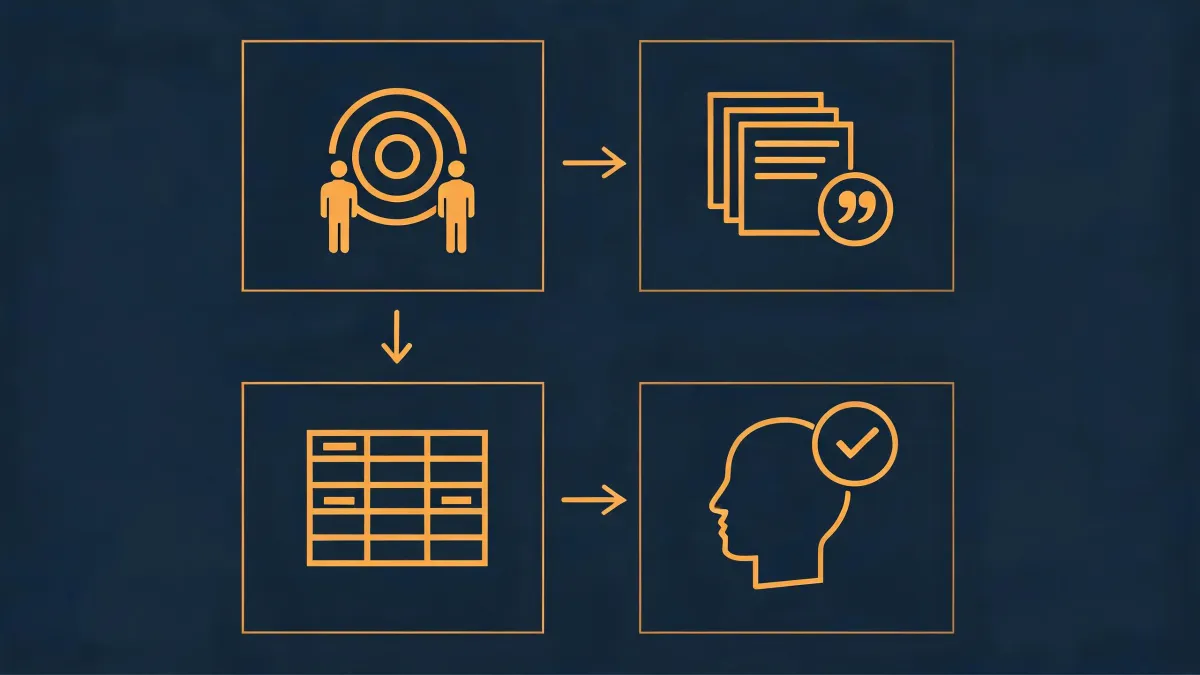
I didn't use the term "agent-native" at the time, but the picture was clear in my head. An agent pulls leads, verifies them, and passes clean data to the next stage—without a human touching a spreadsheet. I wanted to avoid the whole copy-paste dance: download from Phantombuster, upload to a verification tool, download again, upload to the CRM. That's a manual process wearing a disguise. I wanted the automation to do the wiring.
So I read the API email verification documentation. It turned out to be simpler than I expected. Phantombuster could send its extracted data through a webhook to an automation tool. The automation tool could call the verification API for each row and flag invalid emails. Then the clean list could be pushed straight to Google Sheets or our CRM. The integration took about an hour to set up. Most of that time was spent reading the docs and understanding the request format.
What struck me was how little of the problem was actually about the tools. It was about the workflow. Once I stopped treating data extraction and email verification as separate chores, and started treating them as pieces of the same agent-driven pipeline, everything clicked.
The Result
We ended up with a list of 180 leads with names, companies, titles, and verified email addresses. Our bounce rate was far lower than it would have been with manual guessing. We delivered the list to the client with two hours to spare. The client was happy. But what stuck with me after the post-mortem wasn't just the tool. It was the process.
Under pressure, we were forced to think more clearly than usual. We couldn't afford to do things manually, so we built the workflow first. We prevented the problem instead of curing it.
Prevention Beats Panic
Over the years, I've learned a simple lesson: five minutes of early verification saves five hours of cleanup. This project made that lesson concrete. Now our standard process always includes a verification step before sending. We always configure the automation before scaling the campaign. And we always read the API docs before we need them, not after.
Here's what I'd tell anyone facing a similar emergency:
- Automate before you scale, even if it feels heavy for a small list. It will pay off when the volume spikes.
- Verify emails early. Don't wait for bounces to tell you something is wrong.
- If you're building an agent-native prospecting workflow, lean into the API integrations. The documentation is your friend, and the connections are easier than you think.
We didn't plan to rebuild our entire lead-gen process in four days. But the urgency forced us to build something better. Now I wouldn't go back. If you're in a rush to deliver leads, consider whether the real problem is speed—or process. Most of the time, it's process. And the cure is prevention.